

If you dream of a career in modeling, understanding the specific requirements can be crucial to your success. In India, the modeling industry has certain expectations regarding height, age, and measurements, depending on the type of modeling you pursue. Whether you’re aiming for runway shows, fashion campaigns, or commercial modeling, knowing the modeling requirements in India for height, age, and measurements will help you prepare better and increase your chances of success. In this guide, we’ll break down these requirements to provide a comprehensive understanding of what’s needed to enter the Indian modeling scene, ensuring you’re well-prepared to meet industry standards.
Height Requirements for Modelling
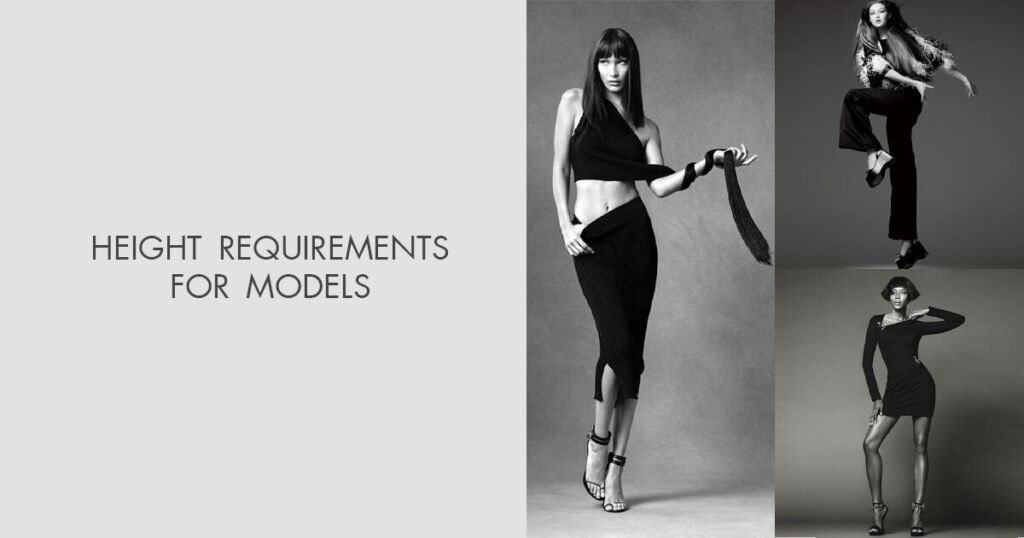
It is required that models meet minimum height requirements for some job roles. It is important to note, however, that these requirements are not common across industries. Models must meet the following general height requirements.
| Modeling Type | Male Models (Minimum Height) | Female Models (Minimum Height) |
|---|---|---|
| Runway/Fashion Shows | 5’10” (178 cm) | 5’7″ (171 cm) |
| Pageants (e.g., Mr. India) | 5’7″ (171 cm) | N/A |
| Print Ads & Commercial Modelling | 5’7″ (171 cm) | 5’3″ (162 cm) |
Minimum height requirements are not required for modelling options such as face and hair modelling, neck and shoulder modelling, nude and artistic modelling, hand modelling, and fitness modelling.
What is the Age Requirement for Modelling?
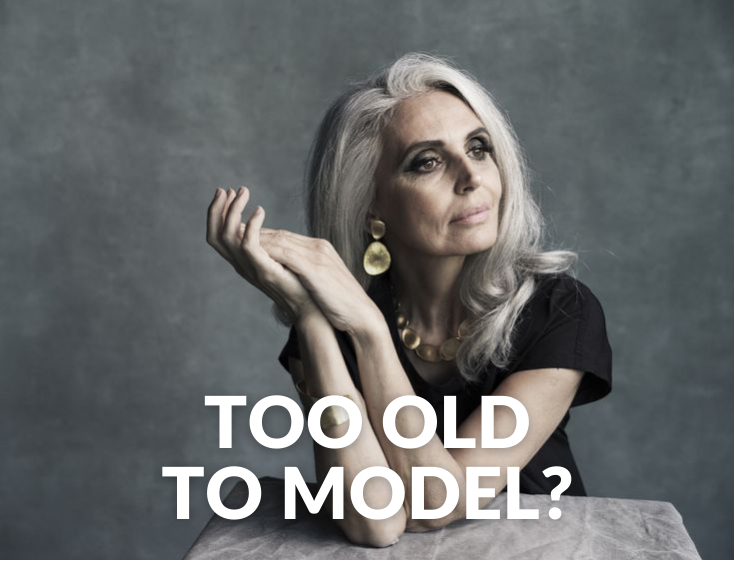
It is also helpful to keep up with the latest trends in style and fashion to project the perfect combination of brains and brawn. It is usually specified that participants have to be between 18 and 30 years old. As part of the application process, modelling agencies usually ask you to submit a full-length and a close-up colour photograph of yourself along with your vital statistics. It is therefore important that you have some professional pictures taken by a photographer. To be noticed as an aspiring model, a well-shot portfolio is essential. Think of it as an investment.
Additionally, if you feel your portfolio suffices, you can contact fashion magazines, advertising agencies, or even some top-notch designers and choreographers. Even though the odds are that at first, your pictures might land in the trash, you can do this by submitting them to the advertising agency’s model coordinator. Nevertheless, it’s all part of the learning process. It’s about not giving up that makes the difference. In other words, pain is necessary for growth. Getting involved with a reputed modelling agency would also be beneficial.
Physical Attributes for Modelling
Fashion modelling – Fashion campaigns, editorials, high-end designers, runway and catwalk modelling can be found on runways. Unlike other types of models, fashion models have very specific requirements regarding their age, height, and measurements. 16-21 is the typical age range. Most agencies will require models to be at least 16 years old, but models can be younger than this. It is also true that models can be older, but agencies and clients tend to prefer models who appear younger and have a more youthful appearance. Most women are between 5’9″-6’”, their busts range from 32″-36″, their waists range from 22″-26″, and their hips should range from 33″-35″. There is no doubt that most women don’t meet these standards, and that is why fashion models are generally paid the most and work the hardest. It’s okay if you don’t meet these criteria; most women don’t, and that doesn’t mean agencies won’t make exceptions for you.
Print catalogue, editorial modelling – Almost as lucrative as fashion modelling, but with fewer restrictions. There is a typical height range of 5’8″ to 5’11″ and typical measurements are 32″-35″ for the bust, 33″-35″ for the hips, and 22″-26″ for the waist. Catalogue modelling and fashion modelling are the two most specific genres of modelling. The reason they are the most profitable is because of this.
Lingerie/swimsuit modelling – There are also often specific measurements required for models. Lingerie measurements typically include: height 5’7′′-6’, bust between 32’’ and 35’’ C Cup size, waist between 22’’ and 26’’, and hips 33′′-35′′. In comparison to a lingerie model, a bikini model typically has a larger bust.
Aside from television commercials, other types of modelling include live product/brand events, live showrooms, web, and niche modelling like tattoos, piercings, petite, plus-size, mature, body part, fitness/bodybuilding, without clothes, and more.
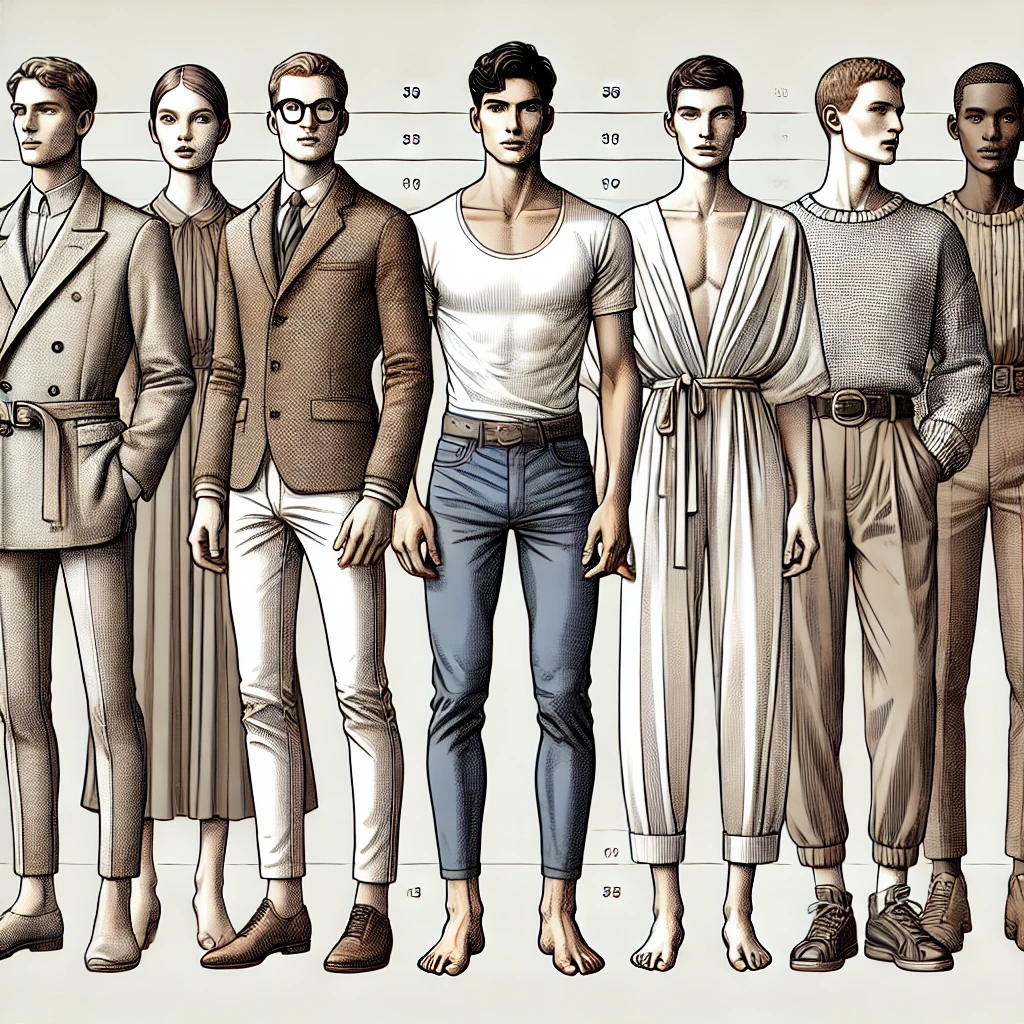
Taking pictures isn’t the only aspect of modelling. Aspiring models should approach the modelling industry as any other job, with professionalism, dignity, and perseverance, as it is primarily a business. Although it appears to be all about glitz and glamour from the outside, the industry is far from it. In addition to being physically and mentally demanding, modelling can also be emotionally draining. The fact that a number of models may be competing for the same small pool of jobs can make it difficult for models to stay competitive. Rejection is a necessary part of this process, which can be emotionally exhausting.
Developing a thick skin is crucial to protecting yourself from rejection. Don’t take rejection personally if you’re rejected. Eventually, they will happen. There may be specific needs that companies have for casting shoots or casting for shows on that specific day, and you may not be the right fit for what they are looking for. You will not only benefit from your career, but also become a stronger person if you can embrace the realities of the business and stay persistent.
| Criteria | Details |
|---|---|
| Minimum Height Requirements |
|
| Age Requirements |
|
| Measurement Requirements |
|
| Other Key Points |
|